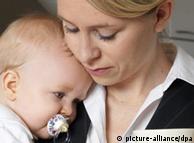
今、ドイツでは企業の経営に女性枠(gender quotas)を設ける議論があります。
大手200社のエグゼクティブの女性比率は3.2%だそうです。しかしこれは企業の自由を奪うという反論もあります。They(quotas) interfere with free enterprise。
1980年代にも同じような議論があったことを記憶しています。当時は国会議員の半数を女性にするべきだ、言うものでしたが、それに反対したのは当の女性議員でした。
「自分たちは戦って現在の地位を得た。実力の無いものが出てくるのは許せない。」と。
途上国で女性の社会進出が成功しているケースはありますが(メイドに家事を助けてもらっている)格差社会との兼ね合いがあります。
少子化の進むドイツは将来の人手不足が目に見えています。
Germany's birthrate has dropped dramatically in recent decades and there's concern there might not be enough people to keep the economy going.
"We're going to have a shortage of qualified workers," she said. "We can't afford to simply ignore 50 percent of the qualified potential employees."
北欧では成功していることもありこれから更に議論がなされて行くと思いますが、いずれにせよ枠よりも社会進出できる制度をしっかり作ることだと思います。ばら撒き出なく、システムを!
Germany needs more childcare options, nursery schools that are open longer and schools that don't send the children home at noon, he said.
"What they also need is more flexible work times, the possibility to work, for example, 80 percent. Then they would have two days combined off for their family and still have a bright and promising work future ahead." Wansleben thinks more can be done to support young families, and thus encourage women in their careers
面白いことも書いてあります。女性は大学で将来経済界で必要とされていない分野の学問を選択している。Many women study fields that later aren't in much demand by the business world.
Source:
DW-WORLD.DE
女性のメルケル首相は法律で規定することに反対です。
Source:
tagesschau.de